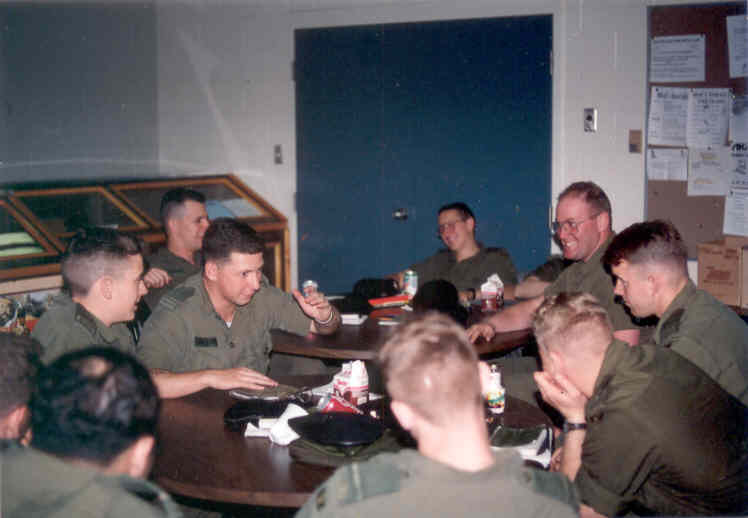
My working life has been pretty varied. I was good at a lot of different things, and I was always consumed by the desire to try something new. I was a bartender, a gas station attendant, and a parts picker in a warehouse. I was an officer in the Regular Army, then a security contractor in various war zones around the world, and then a Director of Security at a major multinational. I loved all these jobs (except maybe the one at the gas station), but at the same time, I felt like something was missing. I’d always had a reputation as a good “storyteller,” but in my working life I had long ignored (or even suppressed) my creative side.
Trying it on for size
And so, it was only later in life that I began to write in earnest. A long-time movie buff, I started writing feature screenplays as a hobby. I co-wrote a feature film with a more experienced writer, and started to learn the ropes of how to structure a really engaging story. While that first screenplay received a lot of positive feedback, I didn’t get any bites. It was relegated to a desk drawer, seemingly never to see the light of day.
I wrote another screenplay, this time on my own, and had much the same experience – lots of positive feedback, but no takers. (It’s not for nothing that film critic Pauline Kiel said, “Hollywood is the one place on earth where you could die of encouragement.”) That one went into the drawer with the first one, another inch of paper that seemed to represent many hours of wasted effort.
It was all pretty depressing.
I was having trouble seeing the point of writing if no one would ever hear my stories. It seemed kind of self-indulgent and wasteful. I didn’t like having to try to pitch my stuff to indifferent agents, directors and producers. I was pretty sure that I was done with writing.
Resistance (with a capital “R”)
But that’s when I came across the work of fellow veteran/writer Steven Pressfield. I already knew and loved his fiction (“Gates of Fire” and “The Legend of Bagger Vance”), but he also writes about writing. Not so much about the nuts and bolts of creating stories, but about overcoming what he calls “Resistance.”
This is what I was experiencing! Like the Sirens luring sailors to their deaths on the rocky shoals, my own self-doubt was sabotaging me. I could write at a professional level, I had lots of ideas for stories, and I was actively putting my work out into the world, even if I hadn’t yet achieved “success.” The only thing that was stopping me was me.
Committing to the Craft
I had come to a bit of a crossroads in my working life, and that’s when I decided to take the plunge. I made writing my full-time job, not knowing where it would lead. All I really knew at the time was that it felt right.
I got serious about my writing, started to study the craft and put in regular hours at my computer. I reworked my second screenplay into a novel, and I started to stack up ideas for future projects as well. When I finished my first novel, I started pitching it, but I also started work on a new one. I leaned into the work.
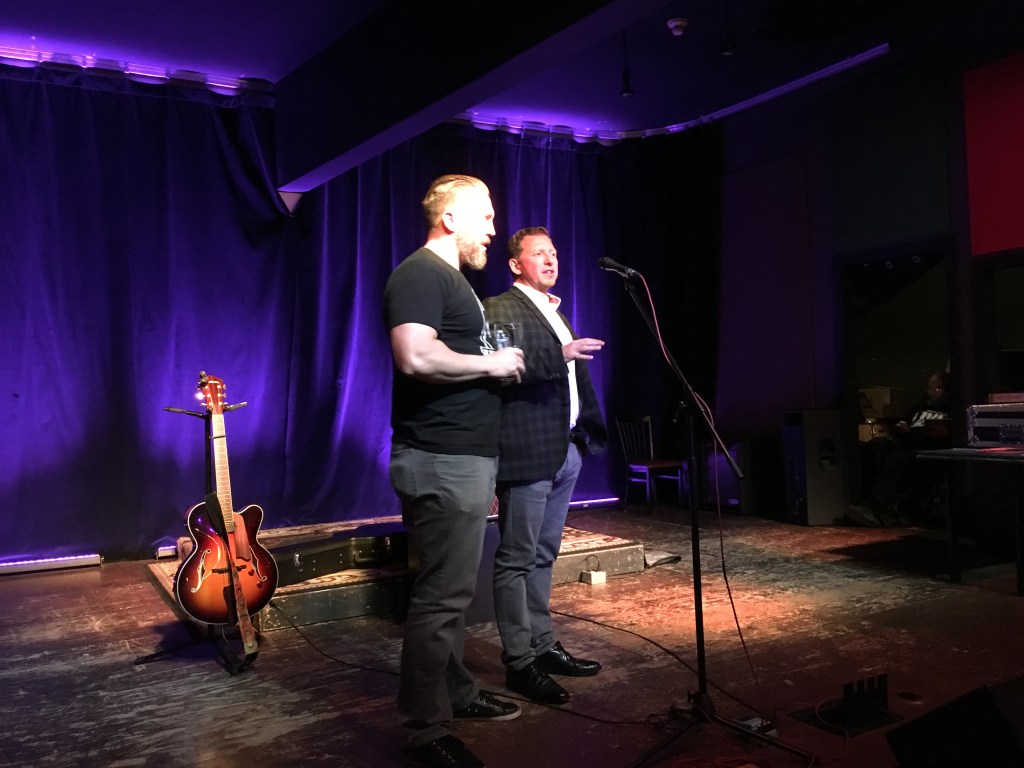
I also started to build a community of writers around me. I connected with other veterans who were writing. I joined a writer’s group that met regularly in a local bar. And with my friend Matt Lennox, I launched a literary journal that showcased the work of writers who we thought were being ignored. Writing became a big part of my internal and external life.
The First Win (And What it Meant)
And that’s when something shifted. I didn’t suddenly get “discovered” and whisked away to a fairy tale ending. But, for the first time in my life, I was paid for a piece I wrote. The magazine that took my work doesn’t exist anymore, and I never cashed the $5 cheque I received for my flash fiction story, but that was it.
I could finally tell myself that I was a writer, and believe it.
But not everyone in my life saw it the same way. I was at a cocktail party with my wife, and there were a lot of people there who I didn’t know. And so I was asked over and over what I did for a living, and each time, I answered: “I’m a writer.” When we left the party, my wife was furious with me.
“How could you lie to all those people? You’re not actually a writer!”
It was true, in the sense that I wasn’t yet making a living at writing. But it was how I spent my days, and was the focus of all my efforts. It wasn’t about the $5, really, but about my efforts and intentions. Hearing her reaction, and knowing how I felt inside, just made me even more focused on truly being a writer.
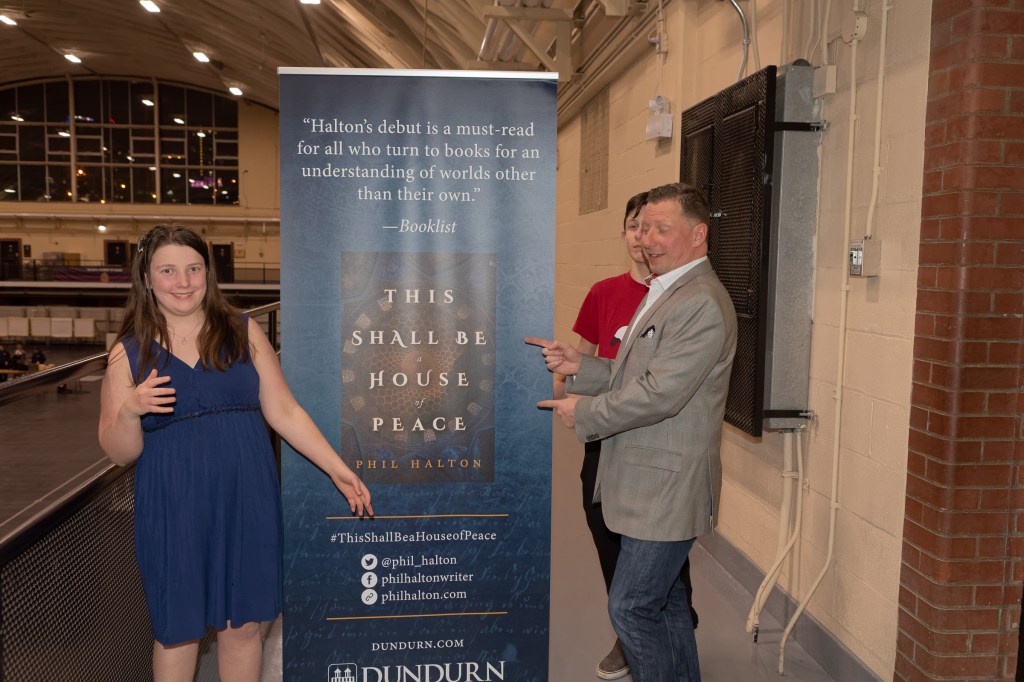
I think that because I stepped into it, and really owned being a writer, that novel I was pitching finally sold to a publisher. And in the very same week, the screenplay was optioned, too. In the blink of an eye, I went from being a writer without any real credits to my name to having taken those crucial first steps on the journey to publication.
Writing as a Way of Life
But I didn’t rest on my laurels. I kept writing and pitching and learning, working hard to improve my craft and keep getting my stories out into the world. I did a graduate certificate in writing, then a master’s degree, and now a PhD.
I also kept writing, embracing the idea that a writer starts another book as soon as they finish one. I focused on the grind, something that I’d learned in the Army, and that was kind of my superpower.
Writing, writing, writing, I told myself I was living my dream, right?
So why did it feel like something was missing again?
The Missing Piece: Connection
The real value in the creation of art is in the connections that form. And in all of my grinding, I was losing track of the human connections that made the whole thing worthwhile. I was missing the forest for the trees.
And so, I kept writing, but widened my practice to include editing and coaching as well. Not only do I really enjoy working with other writers, but it makes me a better writer as well. I realize that I don’t want to practice in solitude, and want to be the hub of a wheel of practice that pulls in work from a wide variety of other artists.
This is how I ensure that my creative life stays full – not just of work, but of meaning.
Why I Coach
I coach because I’ve walked the long, uncertain road of the creative life—and I know how hard it is to walk it alone.
I know what it’s like to wrestle with doubt, to wonder if the work matters, to face silence after putting your heart on the page. I also know the quiet power of momentum, the thrill of breakthrough, and the deep satisfaction of building something real—word by word.
That’s what I want for every writer I work with: progress, clarity, confidence.
I don’t promise overnight success. I don’t offer magic formulas. What I offer is partnership—accountability, experienced feedback, and the kind of creative support that makes the difference between a half-finished draft and a finished book.
This isn’t just what I do. It’s what gives my creative life meaning.
If you’re serious about your writing—and ready to put in the work—I’d be honoured to support you.
Apply for my coaching waitlist below, and let’s see what we can build together.


 Phil Halton | Book Coach for Veterans